Skin tags are common, non-cancerous growths that appear on the skin. While generally harmless, many people opt for removal due to cosmetic concerns or irritation. If you’re considering or have recently undergone a Skin Tag Removal Dubai procedure, you might be wondering about the healing process. The time it takes for healing can vary based on several factors, including the method used for removal, the size of the skin tag, and individual skin healing rates. In this article, we will explore the healing timeline and offer helpful insights to guide you through recovery.
Understanding Skin Tags and Removal Methods:
Before diving into the healing process, it's important to understand what skin tags are and how they can be removed.
Skin tags, also known as acrochordons, are small, soft, and flesh-colored growths that typically form in areas where skin rubs against skin, such as the neck, underarms, eyelids, and groin. While they are benign and do not pose any health risks, they can be unsightly or uncomfortable, prompting people to seek removal.
There are several methods for removing skin tags, and the healing process will depend on which technique was used. Common removal methods include:
- Cryotherapy: Freezing the skin tag with liquid nitrogen to destroy the tissue.
- Excision: Cutting the skin tag off with a surgical scalpel or scissors.
- Cauterization: Burning off the skin tag with a specialized tool to stop blood flow to the area.
- Ligation: Tying off the base of the skin tag to restrict blood supply, causing it to fall off.
Each of these techniques has a different healing timeline, so let’s explore the healing process for each.
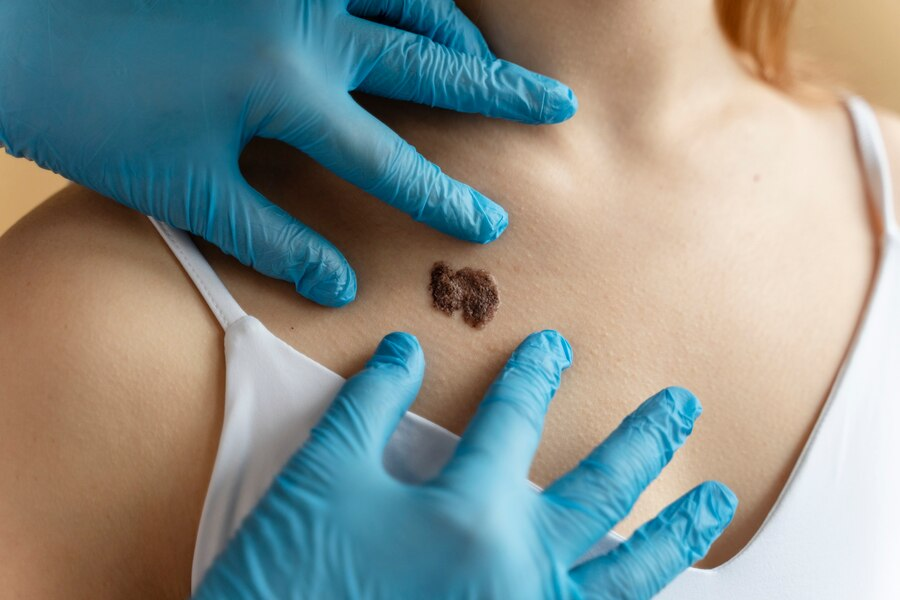
Healing Timeline for Skin Tag Removal:
Immediately After the Procedure:
Regardless of the method used, most people experience only mild discomfort or irritation immediately after skin tag removal. The area may be slightly red, swollen, or tender, but these side effects typically subside within a few hours to a couple of days. After the procedure, it's essential to follow the aftercare instructions provided by your healthcare provider. This may include cleaning the area with mild soap and water, applying an antiseptic ointment, and avoiding touching or picking at the treated skin tag site.
1 to 3 Days Post-Removal:
During the first few days after removal, you may notice the treated area scabbing over. This is a normal part of the healing process, as the body works to close the wound and prevent infection. Some individuals may experience mild redness or swelling around the site, but this should gradually decrease. For methods like cryotherapy, where the skin tag is frozen, a blister or scab may form in the treated area. It’s important to resist the urge to pop or pick at the blister, as doing so can lead to scarring or infection.
1 to 2 Weeks After Removal:
By the end of the first week, most of the initial swelling and redness should subside. If the skin tag was removed by excision or cauterization, the wound may start to heal with new skin forming over the site. At this stage, the area may still be sensitive, but it should not cause significant discomfort. For those who underwent ligation, the skin tag may fall off naturally within 1 to 2 weeks. The site will likely be covered by a scab, and the healing process will follow a similar course to that of excision or cryotherapy.
3 to 4 Weeks Post-Procedure:
At this point, the majority of the healing should be complete, and the treated area will likely have a faint mark or scar. The healing time will largely depend on the size of the skin tag and the method used. For example, larger tags may take a bit longer to heal fully compared to smaller ones. In some cases, you might notice hyperpigmentation (darkening) around the removal site. This can be temporary and usually fades over time.
Up to 6 Weeks for Full Healing:
Complete healing after Skin Tag Removal in Dubai can take anywhere from 4 to 6 weeks. During this time, the treated area may continue to soften and flatten. The scar left behind from excision or cauterization typically fades over several months, although some individuals may experience a permanent, small scar. It’s important to note that healing time can vary from person to person. Factors such as your age, skin type, overall health, and how well you follow aftercare instructions can all influence the speed of your recovery.
Factors That Affect Healing Time:
Several factors can impact how long it takes for the skin tag removal site to heal. Understanding these factors can help you manage your expectations and care for the treated area properly.
- Size of the Skin Tag: Larger skin tags may require more time to heal than smaller ones, as they involve more tissue.
- Removal Method: Techniques like excision and cauterization may take longer to heal than cryotherapy or ligation, which can be less invasive.
- Location of the Skin Tag: Skin tags in areas prone to friction, like the neck or underarms, may take longer to heal due to constant movement and irritation.
- Individual Healing Rate: Everyone’s skin heals at different rates. Some people may experience quicker recovery times than others.
- Aftercare Practices: Proper aftercare, such as cleaning the wound and keeping it dry, can help prevent infection and promote faster healing. Poor aftercare can lead to complications like scarring or infection, which can delay healing.
Complications to Watch For:
Although healing from skin tag removal is generally straightforward, some complications could occur. These include:
- Infection: If the wound becomes infected, it may become red, swollen, or produce pus. Infections can delay healing, so it's important to monitor the area and seek medical attention if signs of infection occur.
- Scarring: While skin tags are usually removed without major scarring, some people may be more prone to developing scars, particularly if the skin tag was large or the area was irritated during the healing process.
- Persistent Skin Tags: In rare cases, the skin tag may not be entirely removed and could regrow. If this happens, a follow-up procedure may be necessary.
Conclusion:
The healing time for skin tag removal generally takes 1 to 6 weeks, depending on the method used and the individual's unique healing process. By following proper aftercare instructions and being patient, you can ensure a smooth recovery and minimize the risk of complications. If you have concerns or experience signs of infection or excessive scarring, consult your healthcare provider for advice and treatment options. By understanding the healing process, you can feel more confident and prepared as you embark on your skin tag removal journey, knowing that in time, your skin will heal beautifully and without lasting issues.