When it comes to sexual health, getting an STD (sexually transmitted disease) test is one of the most important steps you can take. Regular testing not only ensures your health but also helps to protect the well-being of your partners. However, the process can sometimes feel intimidating or uncomfortable. Understanding how to safely navigate an STD test can make the experience easier and help you make informed decisions about your health. Here’s a comprehensive guide to safely undergo an STD test with confidence and ease.
Understanding the Importance of STD Testing:
The first step in navigating an STD test is understanding why it's important. STD Check up Dubai can often be asymptomatic, meaning you may not notice any symptoms even if you are infected. Regular testing is essential, especially for sexually active individuals, as it helps to detect infections early, prevent transmission to others, and ensure that any potential complications are addressed promptly. In addition, many STDs can cause long-term health issues if left untreated, such as infertility, organ damage, or an increased risk of HIV. Getting tested and treated is crucial for maintaining both your own health and the health of those around you.
Know When to Get Tested:
It’s essential to know when to get tested for STDs. Here are some common scenarios in which testing is recommended:
- New sexual partner: If you start a new sexual relationship, it's a good idea for both you and your partner to get tested for STDs beforehand.
- Unprotected sex: If you’ve had sex without a condom or other barrier method, you should consider testing.
- Symptoms of an STD: If you experience unusual symptoms, such as sores, pain during urination, or unusual discharge, it's important to get tested. However, many STDs do not present symptoms, which is why regular testing is important.
- Frequent change of sexual partners: If you have multiple partners, frequent testing is recommended to stay on top of your health.
If you are unsure whether you need testing, it’s always a good idea to speak with a healthcare provider who can offer guidance based on your personal sexual health history.
Choosing the Right Testing Location:
Choosing the right place to get tested is crucial for your comfort, privacy, and safety. There are several options available for STD testing, including:
- Healthcare provider: A doctor or gynecologist can perform STD testing during a routine checkup. Many providers offer comprehensive screening for a range of STDs.
- Specialized STD clinics: These clinics are dedicated solely to sexual health and offer a wide range of testing options. They often provide a more confidential and discrete environment.
- Urgent care centers: Some urgent care centers offer STD testing, often with the added convenience of walk-in appointments.
- Home testing kits: There are also home testing kits available that allow you to collect samples and send them to a lab for analysis. While convenient, these should be used with care, as they may not cover all STDs or offer the same level of accuracy as tests conducted at a clinic or doctor's office.
When selecting a testing facility, ensure that it has a good reputation for confidentiality and a professional approach. If privacy is important to you, you might want to ask about their procedures for safeguarding your personal information.
Preparing for the Test:
Preparation for an STD test is relatively simple. However, there are a few things to keep in mind to ensure the test results are accurate:
- Timing: Some STDs have a "window period," which means that you should wait a certain amount of time after potential exposure before being tested. This varies depending on the type of STD and the test. Your healthcare provider can advise you on the best timing for testing.
- Abstain from sexual activity: If you plan to get tested for certain STDs, such as chlamydia or gonorrhea, it’s often advised to refrain from sexual activity for a period of time before the test. This reduces the risk of contamination and ensures accurate results.
- Inform the healthcare provider: When you arrive for your appointment, be prepared to answer questions about your sexual health history, such as your number of partners, types of sexual activities, and any previous symptoms or concerns. This will help the provider recommend the right tests for you.
What to Expect During the Test:
The process of getting tested for STDs is usually straightforward and relatively quick. Here’s what you can expect:
- Physical exam: In some cases, your doctor or healthcare provider may perform a physical examination, particularly if you have visible symptoms like sores or unusual discharge.
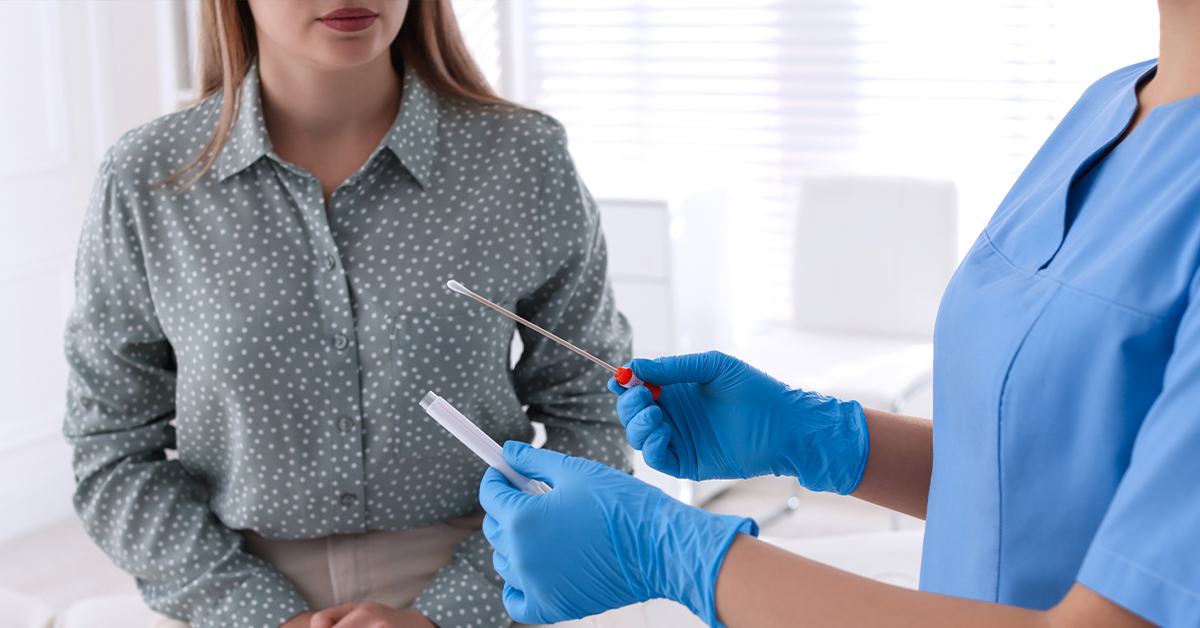
- Samples: STD testing often involves collecting samples of bodily fluids, such as urine, blood, or swabs from the genital area, throat, or rectum, depending on which STDs are being tested for. For women, a pelvic exam may be necessary. For men, a urine sample or a swab from the urethra may be required.
- Painless process: While the process may feel a little uncomfortable, it is typically not painful. If you are undergoing a blood test, you might feel a small needle prick, and if swabs are being used, there may be a slight discomfort, but this should be brief.
After the Test: Understanding Results:
After your test, you will need to wait for your results. This can range from a few days to a couple of weeks, depending on the type of test and where it is processed. Some clinics may offer expedited testing with same-day or next-day results, while others may take longer. Once the results are in, your healthcare provider will discuss them with you. If your test is negative, this means you are clear of the tested STDs. If the result is positive, your healthcare provider will help you understand what the next steps are, which may include treatment or further testing.
Maintaining Confidentiality and Privacy:
One of the most important aspects of an STD Screening Dubai is ensuring your privacy. Your health information should be kept confidential, and any results shared with you should be discussed discreetly. If you are using a clinic or doctor’s office, ask about their privacy policy to ensure your personal details are protected.
What to Do After the Test:
Regardless of the results, it’s important to follow any guidance given by your healthcare provider. If your test was negative, continue to practice safe sex to reduce the risk of future infections. If the test was positive, follow your healthcare provider’s treatment plan to manage the infection and prevent complications. Remember that regular testing is an ongoing part of sexual health. Even if your test results come back negative, it’s still important to get tested regularly to protect both yourself and your sexual partners.
Conclusion:
Navigating the process of an STD test is straightforward when you know what to expect and how to prepare. By choosing the right testing location, understanding the importance of regular testing, and maintaining a proactive approach to sexual health, you can ensure your well-being and reduce the risk of STDs. Testing is a vital part of maintaining your health, and with a little knowledge and preparation, you can take this step with confidence.