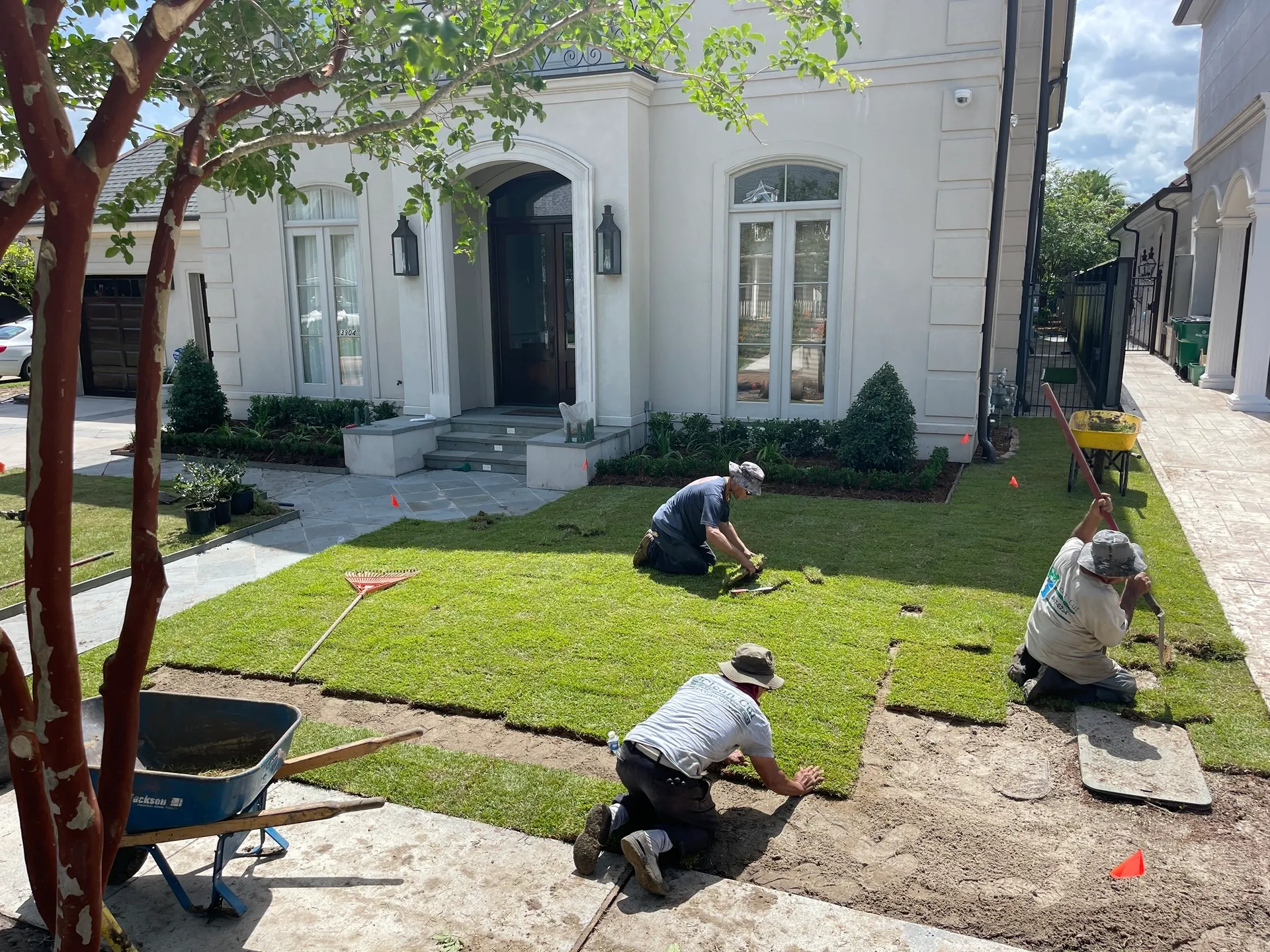
Grading is one of the least glamorous parts of a landscape project, but it is also one of the most important. Homeowners often get excited about sod, patios, walkways, plant beds, outdoor lighting, and fire features. Those are the visible upgrades. Grading is the groundwork that helps those upgrades perform well.
If the ground is not shaped correctly before installation, problems can show up later. Sod may stay wet. Patios may settle. Driveways may collect water. Plant beds may wash out. Mulch may move after every storm. In some cases, water may flow toward the home instead of away from it.
Good grading helps create a stable, usable, and healthier outdoor space.
What Does Grading Mean?
Grading means shaping the land to the correct elevation and slope. In simple terms, it controls how the ground rises, falls, and drains.
There are different types of grading. Rough grading creates the general shape of the site. Finish grading refines the surface before sod, seed, patios, driveways, or plant beds are installed. Fine grading may be needed when a smooth, precise surface is required.
Grading can be done with machinery, hand tools, or a mix of both. The method depends on the size of the project and how much soil needs to be moved.
Why Grading Matters for Drainage
Water follows gravity. If the yard slopes toward the wrong place, water will go there. If the yard has low spots, water can sit. If the grade is too steep, water may move too fast and cause erosion.
Proper grading helps direct water away from the home, outdoor structures, and problem areas. It also helps prevent puddles in the lawn and washout in beds.
A good drainage plan may include grading along with swales, drain lines, downspout extensions, dry creek beds, or other drainage solutions. Grading alone is not always the full answer, but it is often the first step.
Grading Before Sod Installation
Sod can make a bare yard look finished quickly, but it needs a properly prepared surface. If sod is placed over uneven or compacted soil, the lawn may struggle.
Poor grading before sod can lead to:
- Standing water
- Uneven mowing
- Soft spots
- Bare patches
- Soil erosion
- Water flowing toward the house
- Thin grass in low areas
Before sod is installed, the surface should be shaped, smoothed, and prepared for root contact. Soil condition matters too. NC State Extension explains that compacted or clay-heavy soils can slow water movement and limit root growth. Their guide on modifying soil for plant growth around your home is a helpful resource for understanding why soil preparation matters.
A lawn is only as good as the surface below it.
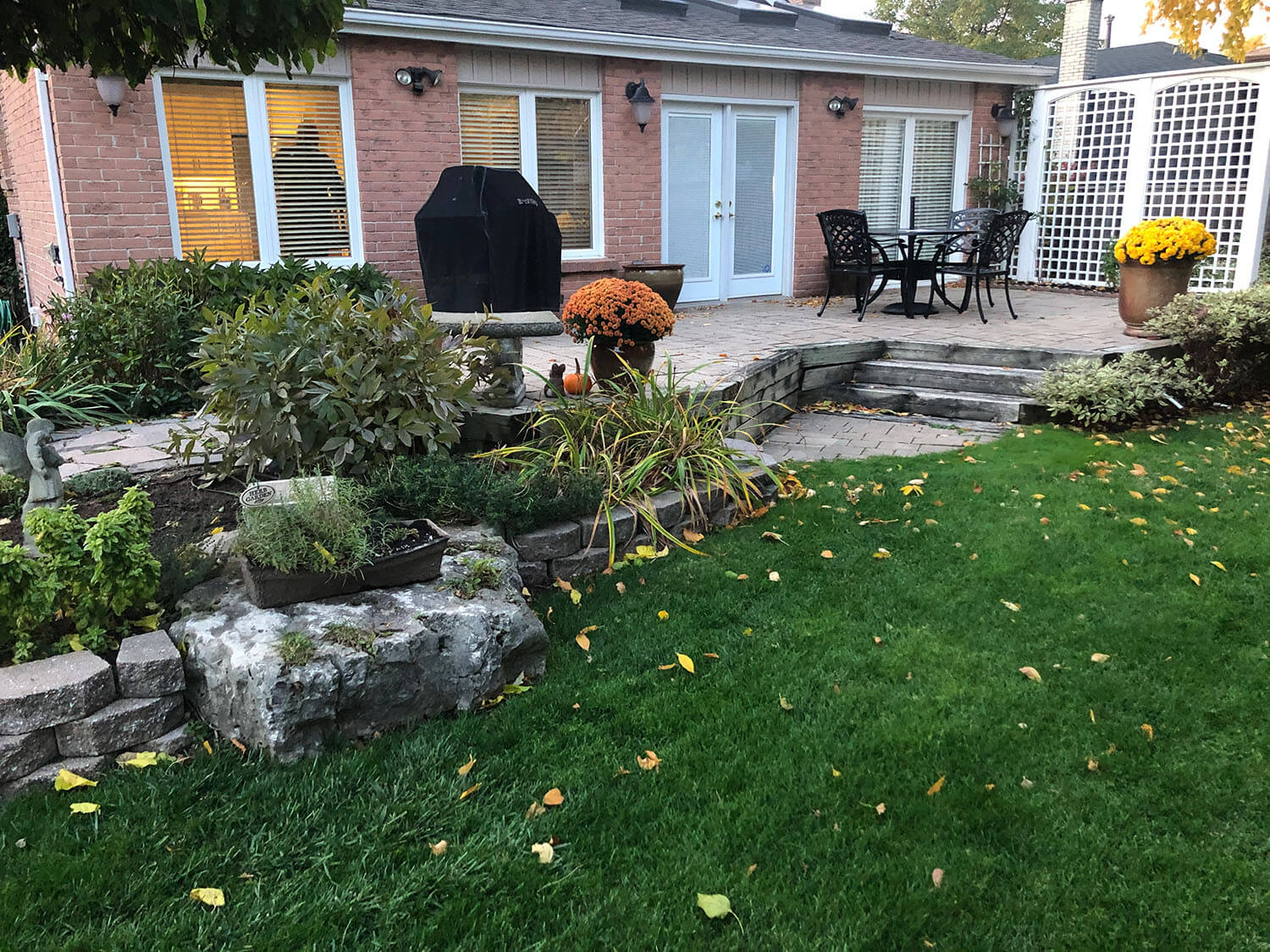
Grading Before Patios and Walkways
Patios and walkways need a stable base. If the ground below them is uneven, soft, or poorly drained, the finished surface may settle or shift.
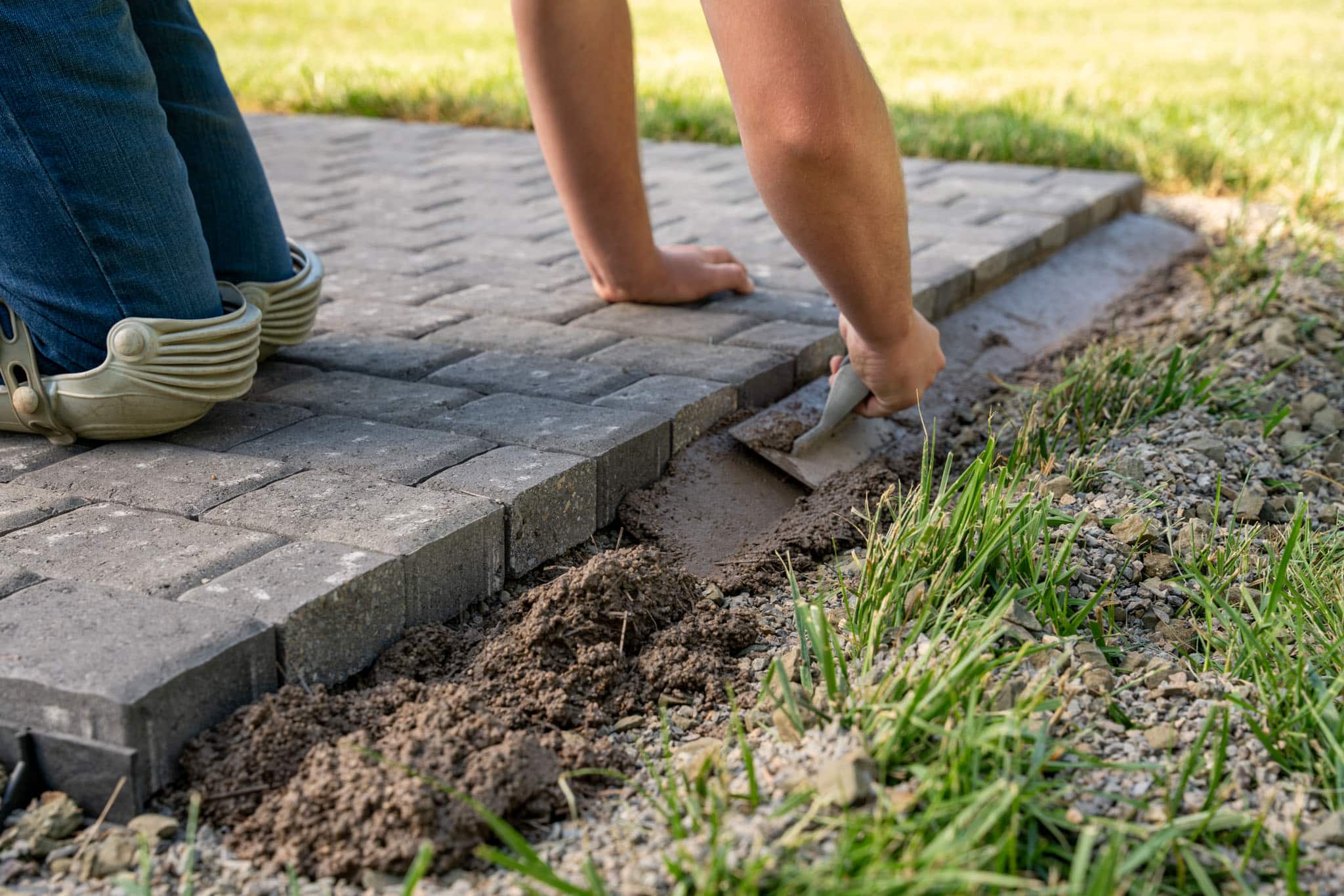
For paver patios and walkways, grading affects both the base and the surface slope. Water should not sit on the patio or run toward the house. It should move to a planned drainage area.
Poor grading can cause:
- Low spots on the patio
- Pavers that move or sink
- Edges that separate
- Water stains
- Ice hazards in colder weather
- Soil washout around the base
A patio may look flat to the eye, but it usually needs a slight slope to move water. That slope should be planned before installation begins.
Grading Before Driveways and Parking Areas
Driveways and parking areas carry more weight than lawns and patios. They also collect a lot of runoff because they are hard surfaces. If water is not directed properly, it can pool, wash out edges, or damage nearby lawn and planting areas.
Grading helps determine where water leaves the driveway. It also affects the base material under the driveway surface. A weak or wet base can shorten the life of the installation.
For gravel driveways, grading is especially important because water can create ruts and carry gravel downhill. For paver or concrete driveways, water problems can lead to settling, cracking, or edge damage.
Grading Before Plant Beds
Plant beds need more than good-looking borders. They need proper soil level and drainage.
If beds are too low, they may hold water. If they are too high against a structure, they may trap moisture where it should not be. If they slope sharply, mulch and soil may wash away. If edging blocks water in the wrong place, the bed can become soggy.
Good grading helps plant beds:
- Drain properly
- Hold mulch better
- Protect plant roots
- Connect naturally to the lawn
- Avoid water pooling near the home
- Reduce erosion after rain
Plant selection still matters, but even the right plants can fail in the wrong grade.
Grading and Erosion Control
Exposed soil is vulnerable to erosion. After grading, the soil should usually be stabilized with sod, seed, mulch, erosion-control blanket, or plantings.
If the project leaves bare soil on a slope, rain can wash it away quickly. That can create ruts, muddy runoff, and sediment buildup in lower areas.
This is why grading and erosion control often go together. The goal is not just to move soil. The goal is to leave the property stable.
Utility Safety Before Digging or Changing Grade
Grading can involve digging, cutting, filling, or moving soil near buried utilities. Before projects that disturb the ground, homeowners should review the 811 before you dig resource and follow local utility marking requirements.
This matters for irrigation lines, gas lines, electric lines, communication lines, and other buried services. Even shallow work can create risk if utilities are not marked.
Signs Your Yard May Need Regrading
Your yard may need grading help if you notice:
- Water flowing toward the house
- Puddles in the same places after rain
- Mulch washing out repeatedly
- A lawn that stays soft or muddy
- Bare soil on slopes
- Pavers or walkways settling
- Driveway edges washing out
- Plant beds that stay wet
- Uneven lawn surfaces
- Runoff from neighboring slopes
These problems may not all require major grading, but they are worth checking before installing new landscape features.
Do Not Cover the Problem
One common mistake is covering grading problems with new materials. Homeowners may add mulch, sod, gravel, or plants to hide a wet or uneven area. That can improve the appearance for a short time, but the problem usually returns.
If water is moving the wrong way, new material will not change the path unless the land is corrected. If the soil is compacted, new sod may not root deeply. If a patio base is placed over unstable ground, settling may still happen.
The best time to correct grading is before new work is installed.
When to Call a Professional
Call a professional if the yard has repeated water issues, visible erosion, large low spots, slope problems, or upcoming hardscape installation. A professional can evaluate the surface, drainage patterns, soil condition, and project goals together.
For property owners in Waxhaw and the Greater Charlotte area, professional grading and landscape help can prepare the site before sod, planting, hardscaping, and outdoor construction work begins.